

How To Clean Ng Tube
HINT: How often do enteral feed bags need to be changed?

Connected Care Quick Hits are up to date and evidence based recommendations for the care of children with medical complexity & technology dependence, from hospital to home.
HINT: How often do enteral feed bags need to be changed?
SITUATION:
This week's QuickHit! comes from our community/home care partners who have asked us to confirm what we tell families in hospital about 'how often to clean and change feeding supplies' when their child is in home care.
BACKGROUND:
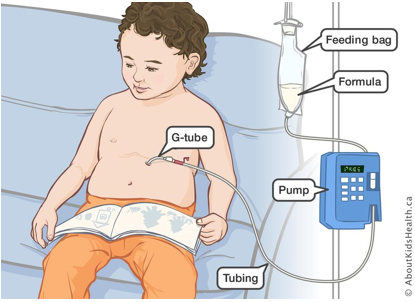
Enteral feeding tubes and pumps are the most common technology that children with medical complexity depend on when they transition from hospital to community/home care. When in hospital, it is routine practice to change the child's feeding bag and tubing daily. This practice aims to prevent infection when a child is acutely unwell and in an environment where there is greater potential for contamination and infections. Family caregivers report mixed messages from hospital to home care about when and how often to change their enteral feeding systems.They seek guidance on the best way to prevent any harm to their child (e.g. infection) but also explain the need to prevent unnecessary waste of supplies to limit their out of pocket expenses. Family caregivers share that only some of the required equipment and supplies for enteral feeding is funded from public (government) sources.
ASSESSMENT:
When caring for a child in community/home care, partner with the child's family caregiver to understand what supplies they have and what their preferences are for their use and re-use. Confirm for the family that the need to change equipment is expected to be less at home than in hospital. Supporting the child and family by doing routine safety checks and assisting to keep the equipment, supplies and environment clean is a key contribution that a home care nurse can make in the care of a child with medical complexity.
RECOMMENDATION:
Connected Care teaches family caregivers that there are differences between hospital and home care in infection control practices and the number of feeding bags and enteral feeding supplies used. It is shared with families that home is considered cleaner than hospital and the following information is provided as a way to help guide decision making about the care and responsible use of supplies:
GUIDELINES FOR CLEANING EQUIPMENT AND SUPPLIES
FOR ENTERAL FEEDING AT HOME
Once to twice per week, or more often if equipment remains visibly soiled:
-
Good hand hygiene is always required in preparing feeds and cleaning equipment.
-
Flush the feeding tube with 5 to 10 mL of clean water (sterile water if child <4 mos of age)
-
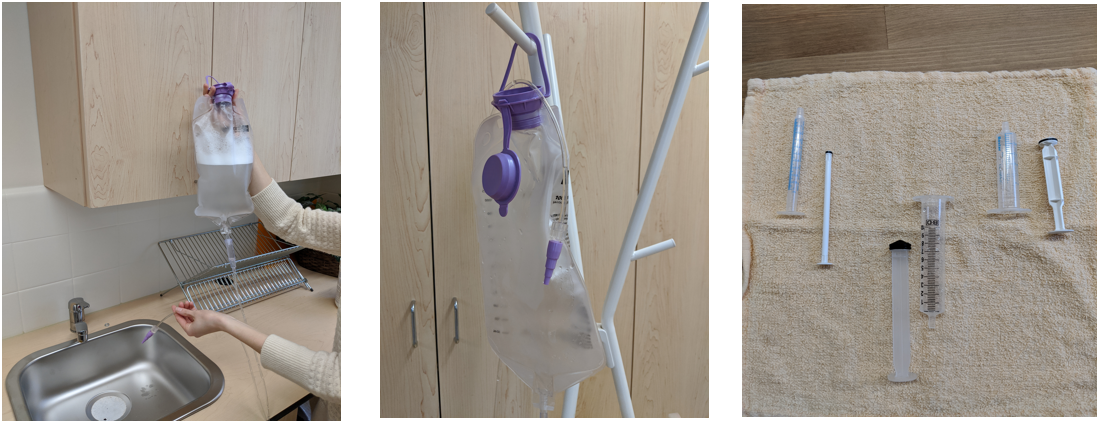
Rinse the feeding bag and tubing with warm soapy water. To rinse well, let warm clean water flow through the tubing and into the sink (not letting the end of the tube touch the sink).
-
Hang the feeding bag and tube to promote drainage and allow the system to air dry between feeds and/or set on a clean surface (e.g. towel)
-
Take apart syringes and wash syringes with warm soapy water. Rinse well with warm, clean water and let air dry on a clean surface (e.g. towel)
-
If any of the equipment is not clean after using soapy water, wash with a mixture that is one part white vinegar and one part water and rinse again with water.
Once to twice per week, or sooner if equipment is visibly soiled after routine cleaning
-
Throw away the full feeding system including enteral feeding bag, infusion tubing and syringes into a regular garbage bin and use a new one.
Special considerations:
-
If a child is fluid restricted, confirm total fluid intake and consider that 3 ml is usually a minimum volume required for a tube flush
-
Feeding supplies may need to be changed more often when a child has very thick formula recipes including the addition of modules (e.g. oil, intralipid, etc)
Have a Question? Initiate a Consult!

This QuickHit was developed in response to family caregivers and home and community care providers asking what kind of water source to use when flushing enteral tubes.

This QuickHit was developed based on a Connected Care Live consult from a Home & Community Care Service Provider asking if the NG tube was safe to use when the child's gastric pH was measured to be >6.

This QuickHit is informed by the G-tube Team at SickKids. They find that misidentification and inaccurate documentation of enteral tubes can lead to serious safety events or potential harm.

This QuickHit comes from questions from community/home care providers regarding the most up to date practice for checking the placement of NG tubes.

This week's QuickHit! comes from questions from community/home care providers and families regarding the best way to vent a G-tube to release excess gas, including how to properly use a Farrel Valve Bag as a method of venting.

This week's QuickHit! comes from an Enteral Feeding module that Connected Care provided for home care nurses. During the module, several home care nurses asked about when and how to do routine safety checks of a child's G-tube balloon.

This week's QuickHit! comes from our community/home care partners who have asked us to confirm what we tell families in hospital about 'how often to clean and change feeding supplies' when their child is in home care.
This QuickHit! comes from a home care nurse who consulted Connected Care Live to ask if it is appropriate to mix Polyethylene Glycol (PEG) 3350 with formula and administer it in a continuous enteral feed?
This QuickHit came from a home care nurse who contacted Connected Care to ask for our recommendation on how to treat and monitor this child's G tube stoma site. This low-profile balloon type tube had been in place for > 8 weeks and was starting to look slightly pink/red, shiny, slightly swollen and wet. This child was comfortable, tolerating feeds and no fever was present.
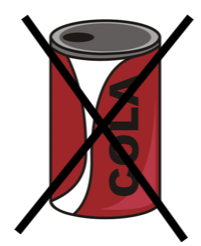
Cola and other carbonated and acidic beverages are still sometimes being used in practice to unblock enteral feeding tubes, however this is not recommended .
How To Clean Ng Tube
Source: https://www.connectedcare.sickkids.ca/quick-hits/2020/02/07/how-often-do-enteral-feed-bags-need-to-be-changed
Posted by: andrzejewskisesom1982.blogspot.com
0 Response to "How To Clean Ng Tube"
Post a Comment